
Hydraulic defence and waterlay layout
The importance of the hydraulic engineering works is now undeniable and there are various solutions that can ensure the safety of our towns and our areas.
Thanks to our experience in the field, we propose the solution that best suits the context.

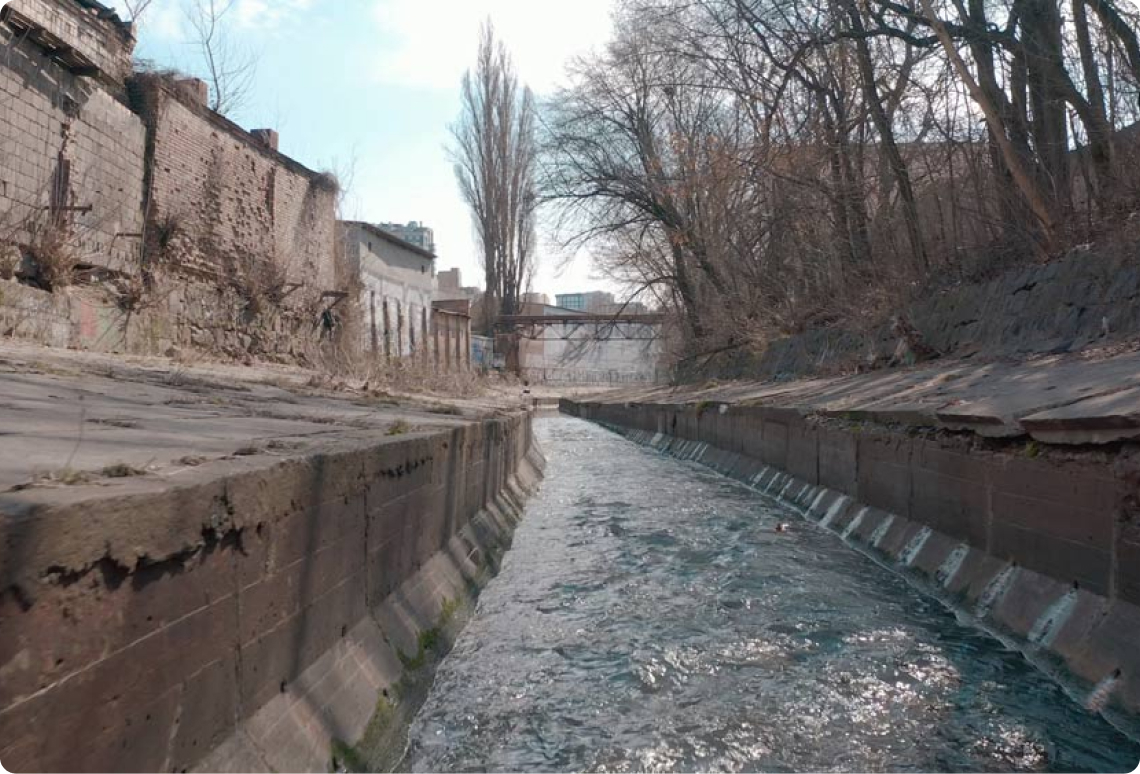
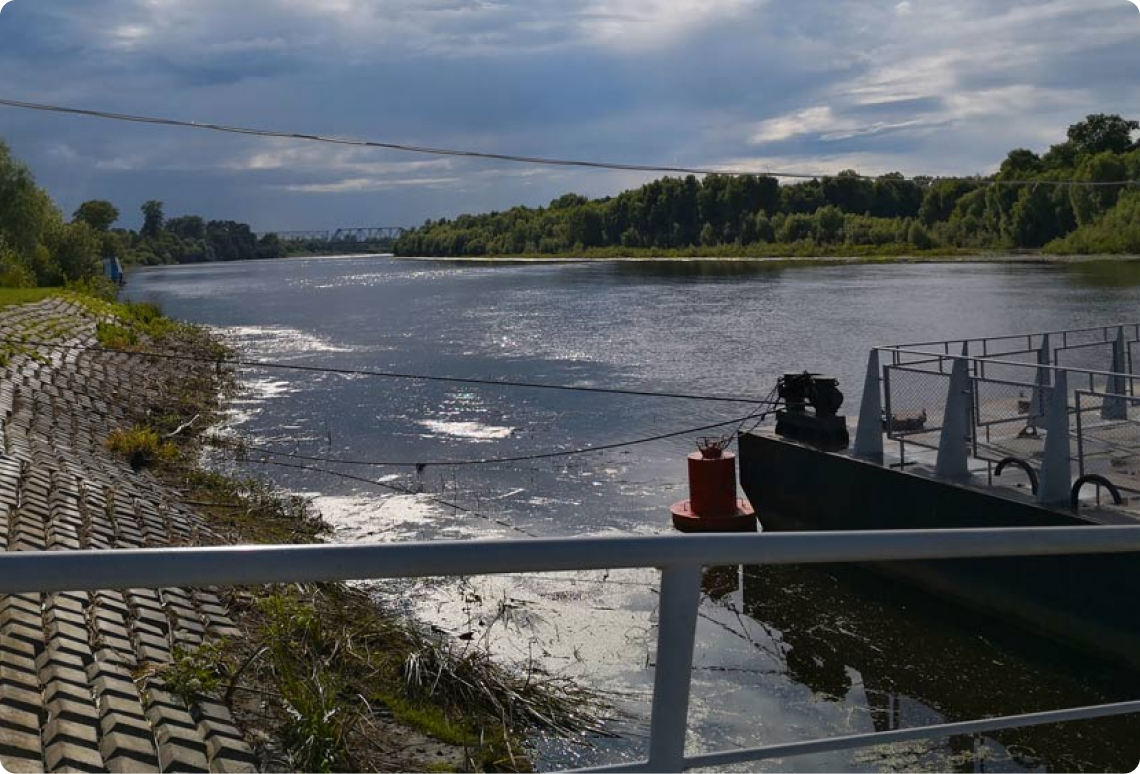
The hydraulic engineering works protect against erosion, allow to control flows along rivers and protect bridges and infrastructures against floods.
Hydraulic defense works protect against erosion, enable the control of river flow and watercourses, and safeguard bridges and infrastructure from flooding. Consequently, these are critically important interventions, as they keep both residential centers and rural areas used for farming and livestock safe.
Features
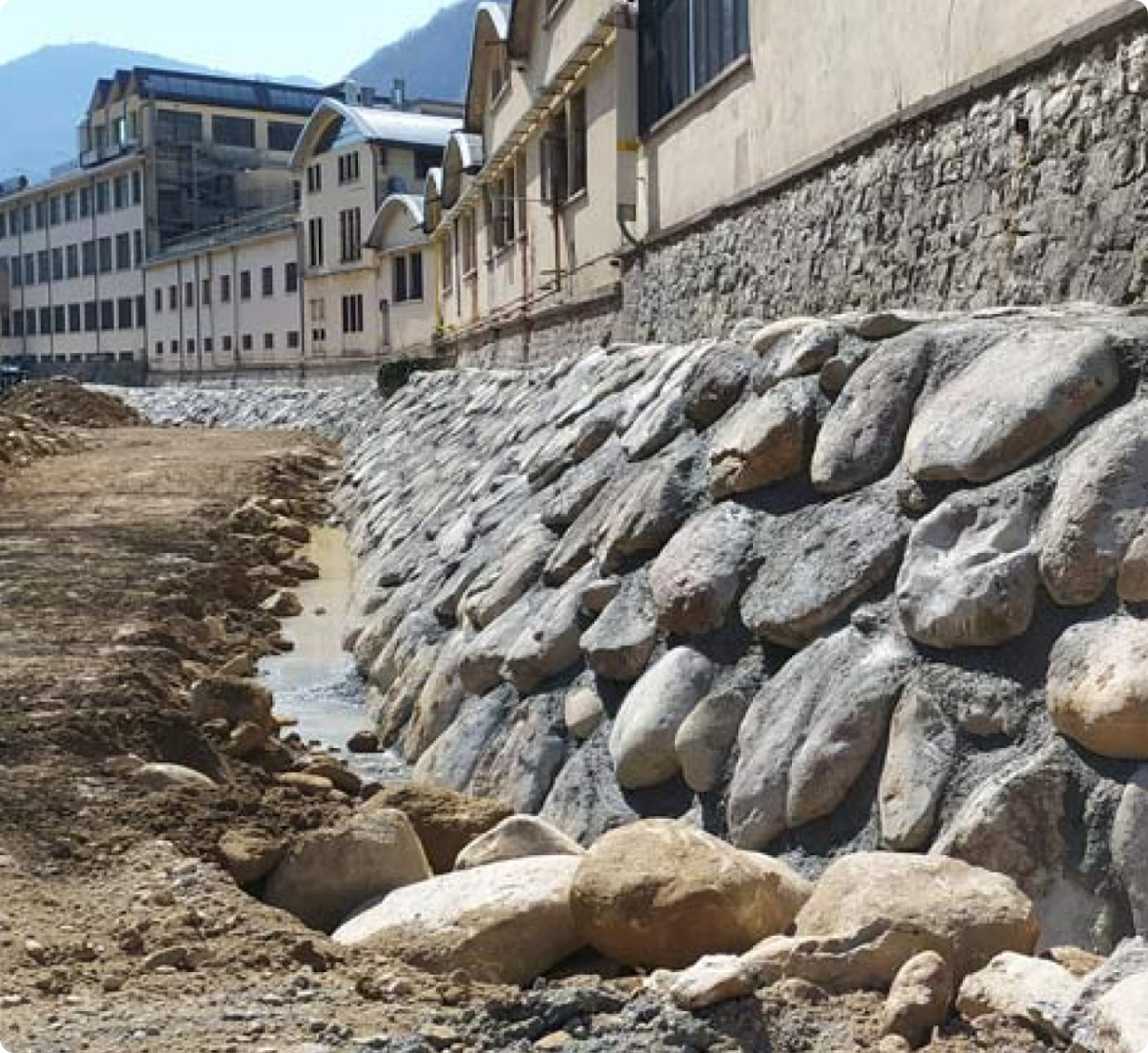
We use several types of hydraulic engineering works:
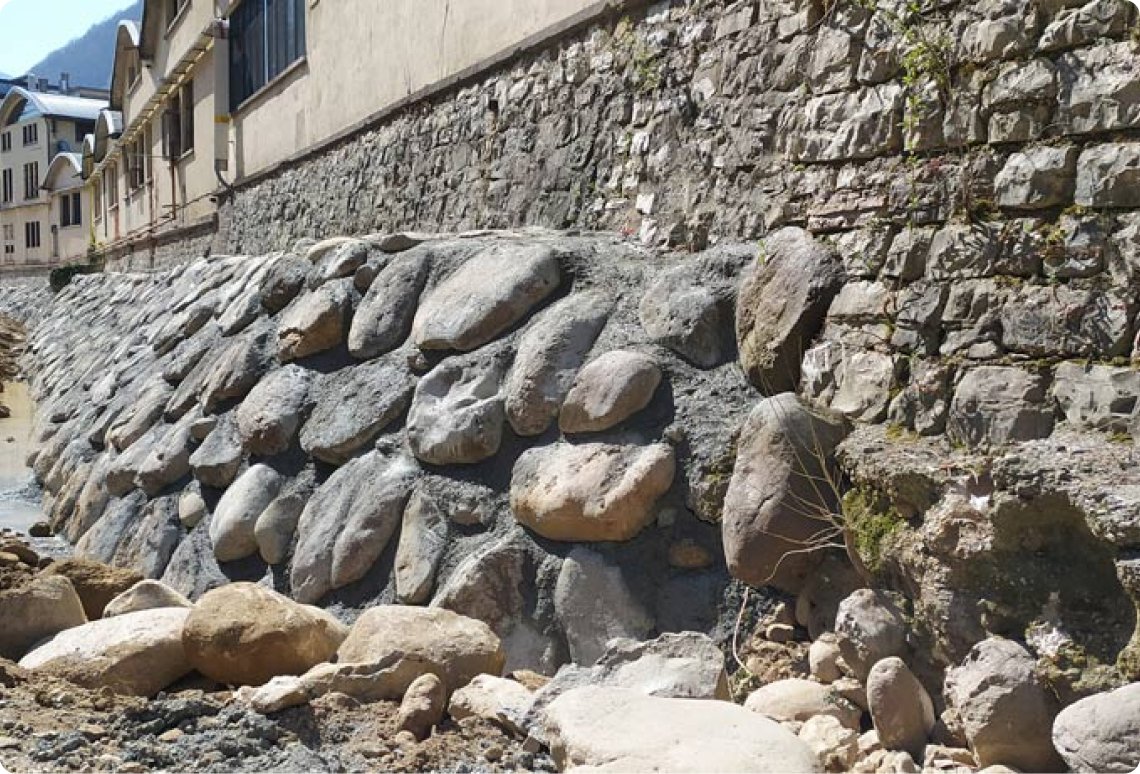
- Structures of loose material: they consist of loose lithoid elements of different granulometry, from stone castings to earthworks.
- Rigid concrete or reinforced concrete structures
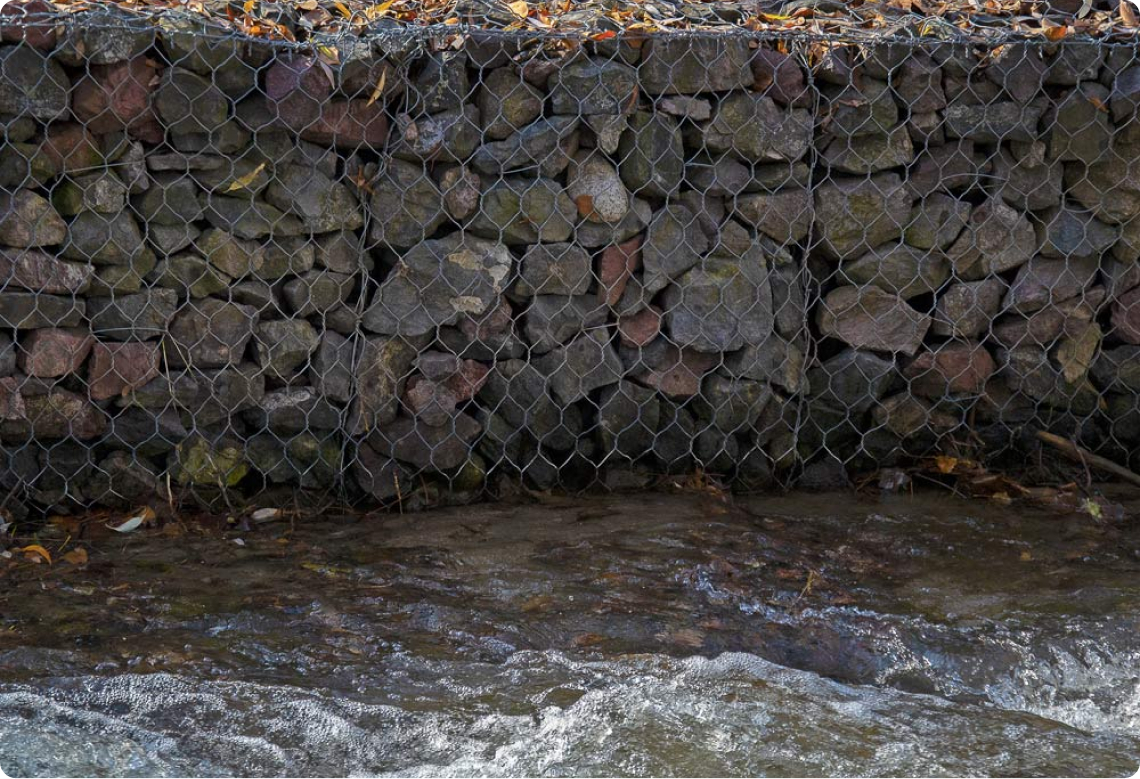
- Semi-rigid structures: rigid prefabricated structures, connected on site to obtain structures with a certain degree of deformability.
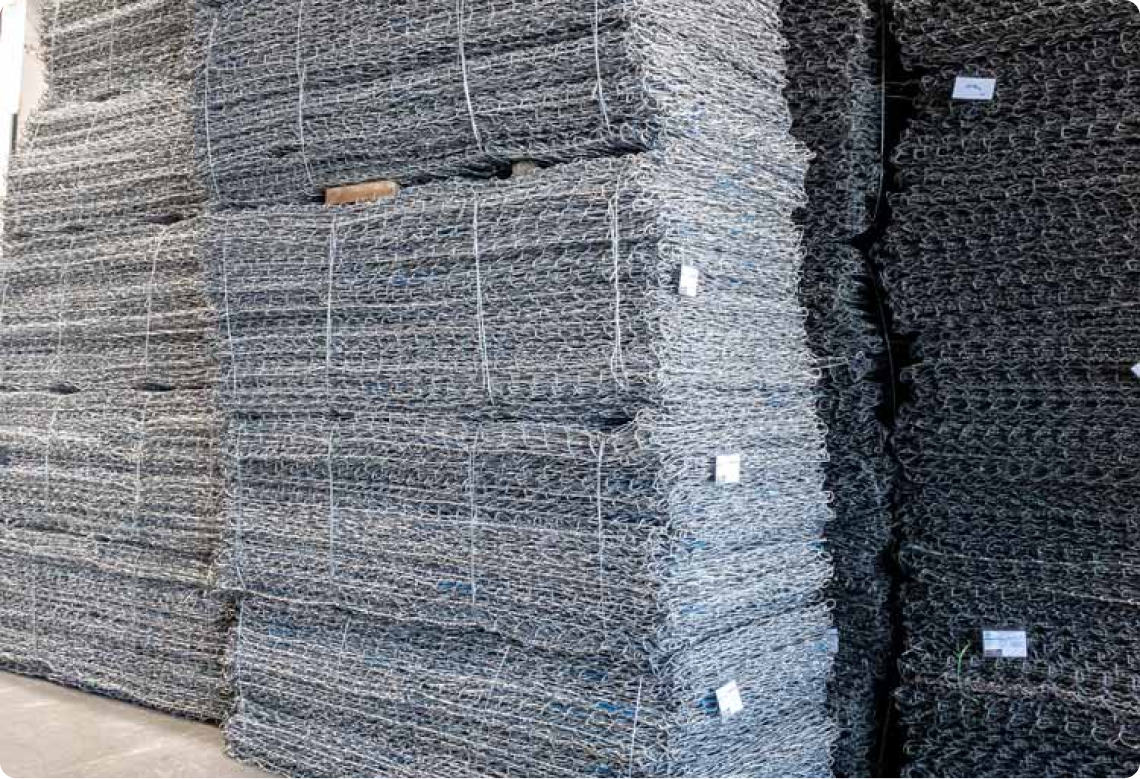
- Flexible structures: these are able to face considerable deformations and subsidence of the ground without breaking or losing their protective function.
The works
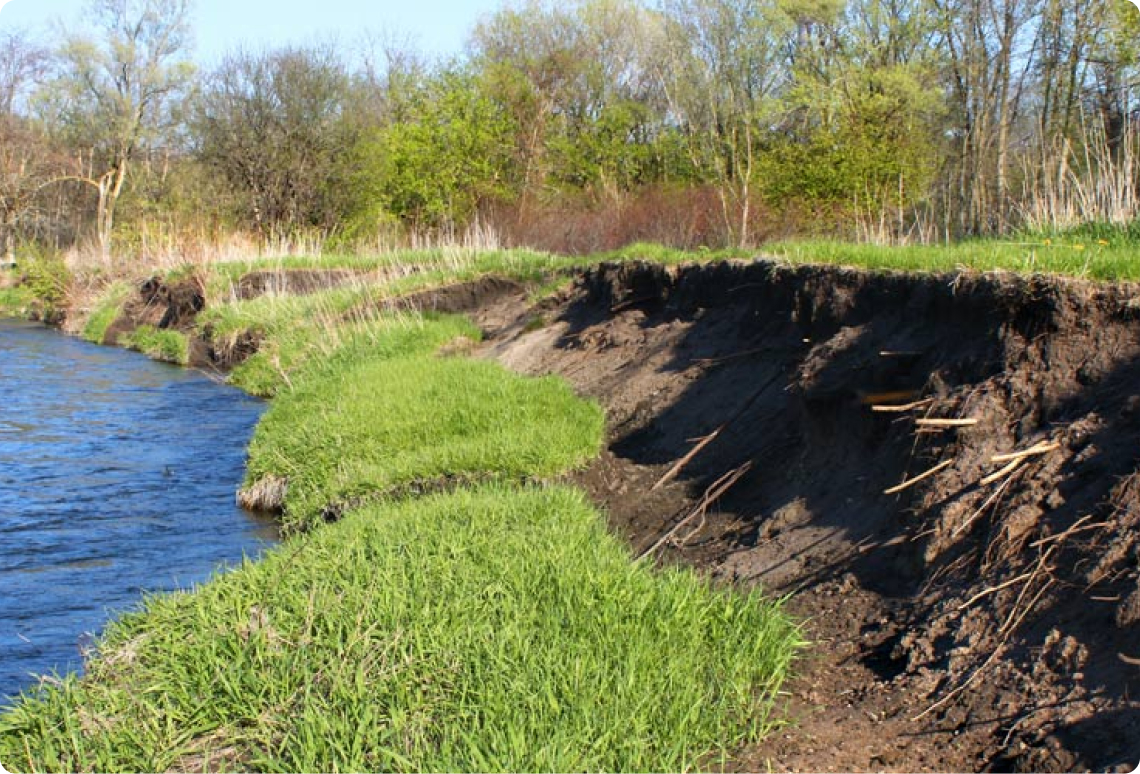

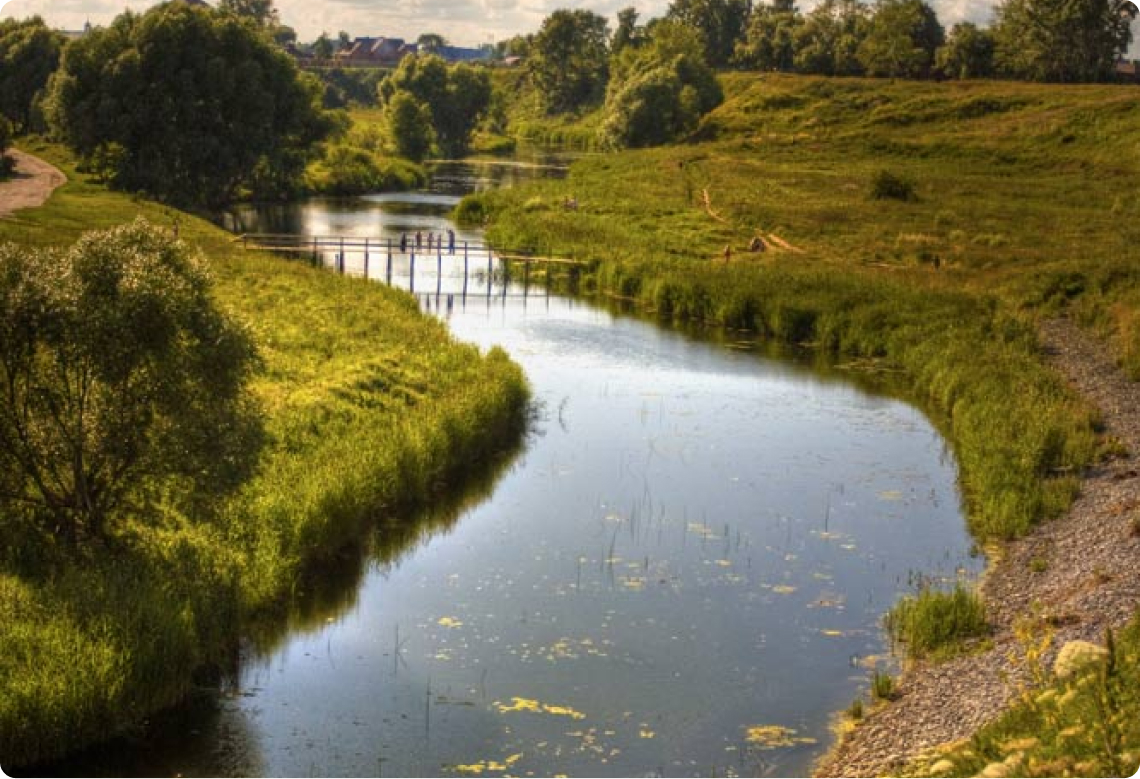
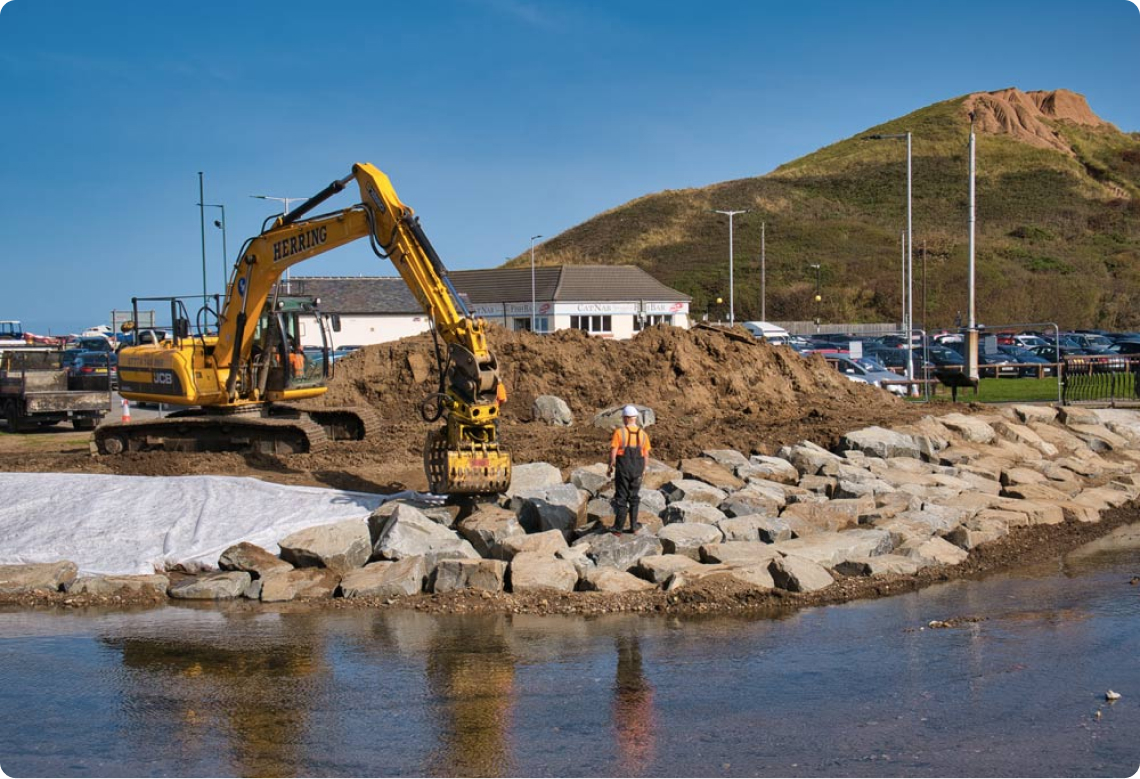
Soil and water bioengineering techniques
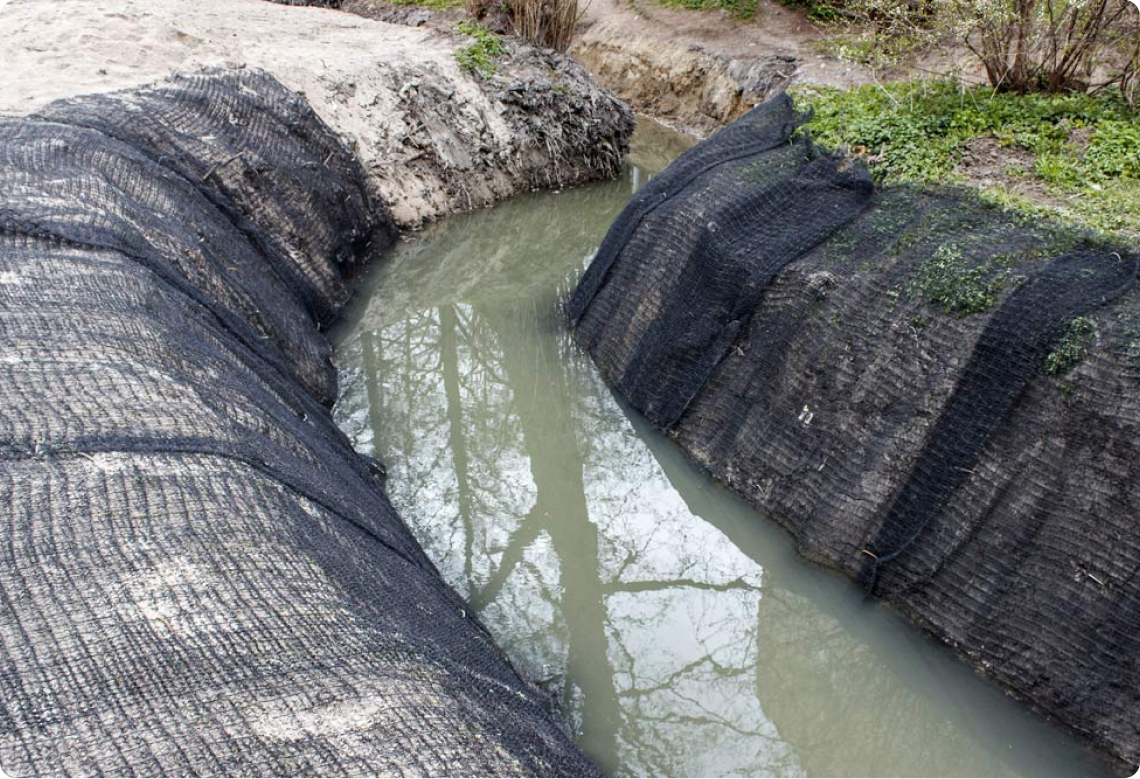
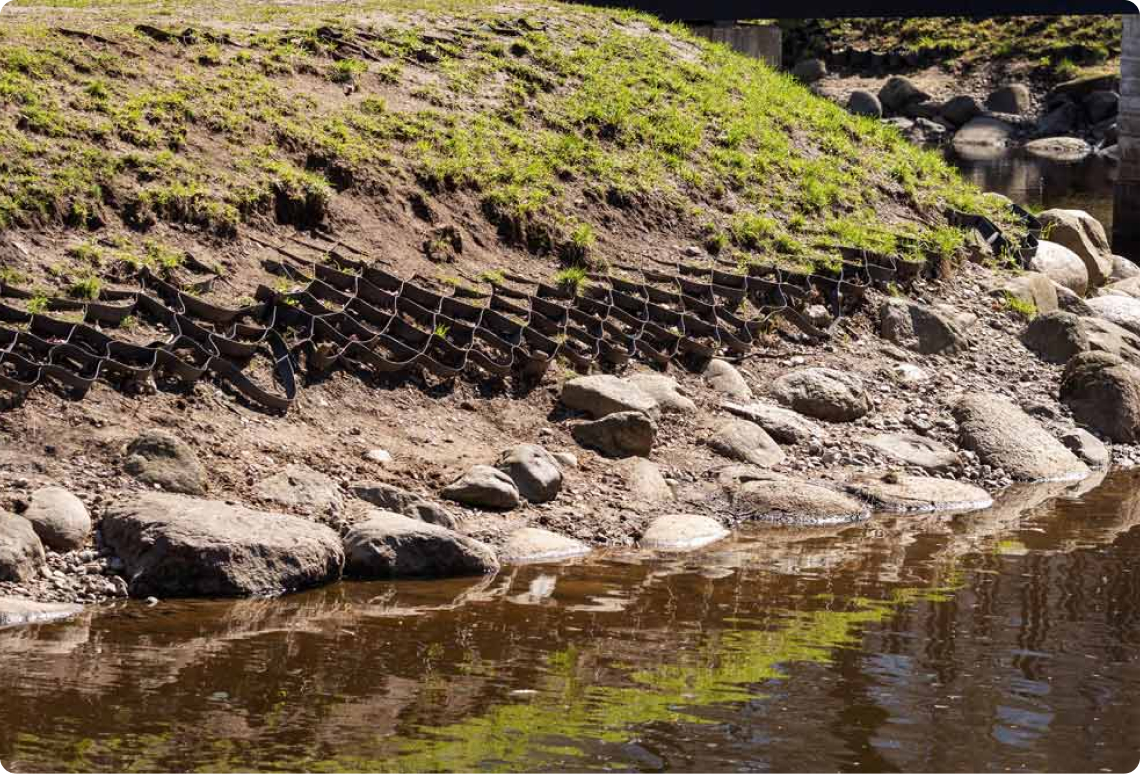
With the aim of consolidating river banks, we use different techniques, such as:

Log cribwall with branch layers
Vegetated slope gratings
Vegetated grating
Brush Mattress
Stream bank fascine
Banks rollers
Biomats
Other areas of expertise


Dams and civil works
Arch, gravity, concrete, earth or rockfill dams: they are some of the many types of dams! The dams are the type of works that best reflect the level of competence achieved.
They are the perfect example of multidisciplinarity and a concentrate of the various civil works we are able to realize.